Pinning Down Who Runs a Shared Clubhouse Before You Picture It
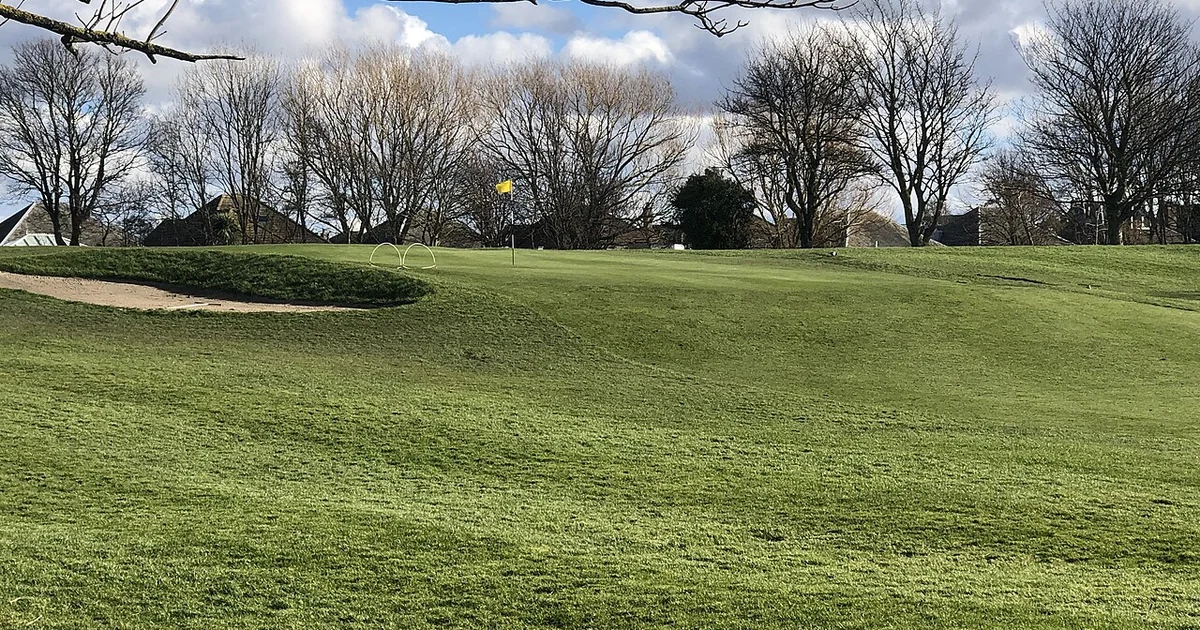
The Greens Project presents itself as a proposed network of golf-first, solar-powered off-grid communities. That description is the starting point for a useful exercise: separating what a concept plan states from what it implies. A clubhouse, a course, a pool or a maintenance building can dominate the imagery of a golf community, yet a rendering tells you very little about who will build those facilities, who will pay for them, and who will decide how they are used. This article offers a practical method for turning a glossy vision into a written list of open questions.
Start with an inventory of named shared facilities
Begin by writing down every shared amenity the material mentions, whether it is a golf course, practice area, clubhouse, dining space, pool, trail network, workshop or utility building. Record exactly how each one is described. Does a document say the facility exists, is planned, is proposed, or is illustrated? These verbs carry different weight. A facility shown only in an artist's rendering should be listed separately from one described in a written plan with a stated scope.
Next, note the source and date of each description. Concept communities often revise their language over time, so a facility mentioned in an early message may be absent from a later one. Keeping a dated list lets you see whether the vision has expanded, shrunk or quietly disappeared.
Ask who owns, builds and operates each facility
For every item on your inventory, ask three separate questions. Who will own the asset? Who will build it, and under what schedule? Who will operate and maintain it once it is open? A clubhouse might be owned by a developer, a homeowners body, a private company or a shared trust, and each arrangement produces different obligations for residents. Writing these answers down, even when the answer is 'not stated,' makes gaps visible.
Be careful about assuming that a shared facility is automatically open to everyone in a community. Access rules, membership categories and guest policies are usually set in governing documents, and those documents are not the same as a promotional description. If a source does not describe access, record that as an open item rather than filling it with what seems reasonable.
Trace how shared costs would be paid
Shared amenities have ongoing costs that rarely appear in early vision material: insurance, staffing, course upkeep, utilities, repairs and eventual replacement. A useful method is to list each cost category and then ask whether the source addresses it. If it does not, you should not guess at amounts or assume a particular funding model. Instead, write the question down as one you would need answered before forming a view.
Also consider how decisions about spending would be made. Some structures give residents a voice through a board or vote, while others leave decisions with a developer or operator. Neither arrangement is inherently better, but the difference matters a great deal for anyone who expects to rely on a shared facility for years.
Use a short checklist for each update you receive
When an update arrives, read it against a fixed checklist. First, does it name the facility and say what state it is in? Second, does it identify the responsible party for building and running it? Third, does it describe any cost-sharing or access terms? Fourth, does it point to a document you can review, or is it only a general statement of intent? Mark each item as stated, unstated or contradicted by an earlier message.
Repeat the same checklist each time a new message comes in, and keep the results in one place. Over several updates, patterns emerge quickly. A facility that stays described only in vague terms, or that keeps moving between phases, is one to treat with caution until its status is clearer.
Keep your own record of what is confirmed
The final step is to summarize your findings in three columns: confirmed, planned and open. Confirmed items are those a source states as settled and that you could verify through a formal document. Planned items are described as intentions without firm terms. Open items are anything the material leaves unanswered, including ownership, funding, access and timing. Reviewing this summary before any decision keeps your judgment anchored to evidence rather than atmosphere.
A concept-stage project may be worth following, and an update list may be a reasonable way to stay informed. Subscribing to updates does not confirm that facilities will exist, or on what terms. Keeping the three-column record helps you remember that difference as the project's story evolves.