Comparing The Greens Project Updates by What Each Email Can Prove
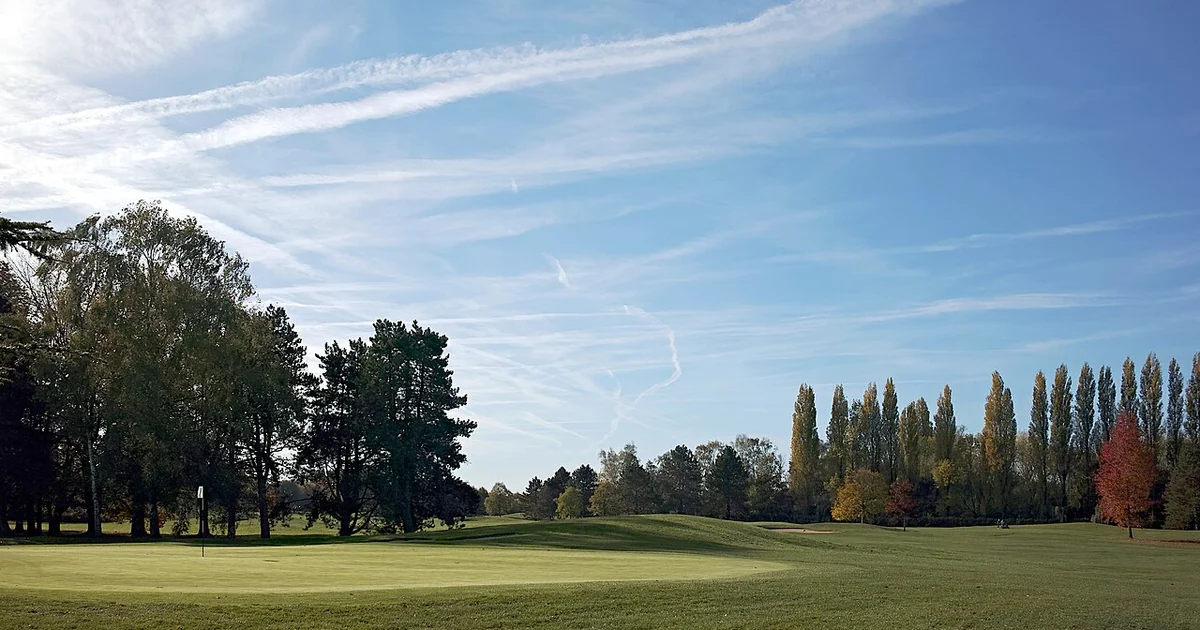
The Greens Project presents itself as a proposed network of golf-first, solar-powered off-grid communities. Its public site invites visitors to share a name and email address for project updates, and that single fact shapes how a reader should approach every message that follows. An update email is a communication from a concept-stage project, not a record of settled decisions. Before comparing one update against another, or against the site's broader language, it helps to ask a narrower question: what kind of evidence does this message actually contain? This article offers a practical method for doing that sorting, so that enthusiasm and imagery are not mistaken for proof.
Start with what the subscription actually is
The Greens Project's site collects consented names and email addresses so that people can receive project updates. That is the stated purpose of the list. It is not, on the information available to the public, a record of reservations, memberships, purchase agreements, or confirmed locations. The site does not offer confirmed locations, home prices, membership terms, or investment terms.
This matters because readers often treat a newsletter as if it carried the weight of a contract or a published plan. A subscription confirms only that you asked to hear from the project. Any update that follows should be read as a statement of intent or progress, and the reader should note what that statement is able to support. Keeping this distinction clear from the start prevents later confusion when an email uses warm language about a place that has not yet been fixed on a map.
Sort each claim into one of four evidence types
A practical way to compare updates is to break each message into individual claims and assign every claim to one of four categories. The first is confirmed: a fact that is stated as settled and that the project can document, such as a completed decision with a stated date and a responsible party. The second is planned: an intention with no completion yet, often signaled by words like will, expects to, or aims to. The third is exploratory: an idea under study, typically framed as considering, evaluating, or researching. The fourth is aspirational: language that describes a feeling, a lifestyle, or a vision without a verifiable commitment behind it.
Once each claim has a category, compare two updates by counting how many claims sit in each bucket rather than by how persuasive each email feels. An update that moves items from exploratory to planned is showing genuine progress. An update that repeats the same aspirational imagery with new phrasing has added nothing you can rely on, even if it is longer and more polished than the one before.
Watch the verbs and the modifiers
Concept-stage communication often lives in its verbs. Compare the difference between a sentence stating that a clubhouse is located on a particular parcel and one stating that the project envisions a clubhouse in a central area. The first is a locational claim the reader can check. The second describes a design intention that may change entirely. Likewise, phrases like world-class, premier, or designed for generations are modifiers that add tone but not verifiable substance.
When reading several emails side by side, highlight the verbs and the modifiers separately. A pattern of strong modifiers paired with soft verbs signals a message built for mood. A pattern of specific nouns paired with clear verbs, such as who, what, when, and where, signals a message that is at least trying to be checkable.
Build a comparison checklist you can reuse
A repeatable checklist keeps comparisons consistent over time. For each update, record the date it was sent and the subject it covers. Then answer several questions in plain terms. Does the message name a decision that has been made, and by whom? Does it give a date for that decision, or only a season or a vague timeframe? Does it describe land, financing, or governance, or does it stay with lifestyle themes? Does it say what remains undecided, or does it imply that everything is settled? Does it reference any document, filing, or process a reader could examine independently?
Next, compare the update against the previous one. Note which items moved from exploratory to planned, which were dropped without explanation, and which were repeated unchanged. Items that disappear without comment deserve attention, as do items that keep reappearing with no progress. Over several months, this simple log becomes a more reliable picture of the project's direction than any single email.
Ask the questions a concept update leaves open
Some of the most useful questions are the ones an update does not answer. For a golf-centered concept, ask who would own and operate shared amenities such as a course, clubhouse, or pool, and whether that arrangement has been described anywhere. Ask how the solar and off-grid systems are intended to be designed, and whether any independent description of those systems exists. Ask what the governance structure would look like, and who would hold decision-making authority at each stage. Ask what happens to the plan if the intended land is not secured.
None of these questions requires special expertise to raise. They require only that you notice when an update describes an outcome without describing the mechanism that would produce it. If the mechanism is missing, record that gap in your log. A project that is candid about its open questions gives a reader more to work with than one that presents a finished-sounding picture across every message.