Who Funds the Clubhouse? Shared Golf Amenity Questions for The Greens Project
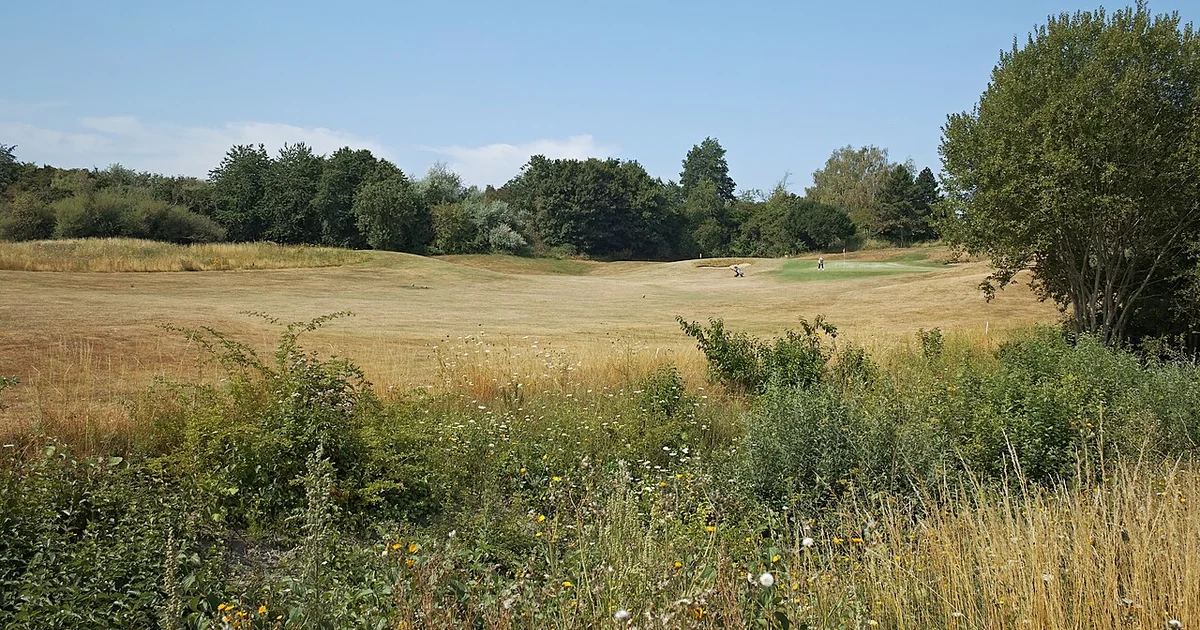
The Greens Project presents itself as a proposed network of golf-first, solar-powered off-grid communities. That framing puts shared facilities at the center of the pitch: fairways, a clubhouse, and common spaces where neighbors would gather. Yet a concept plan can show a clubhouse in a rendering long before anyone has decided who pays for it, who maintains it, or who has the final word on how it is used. This article offers a method for pinning down those questions. It does not assess the project's merits or predict outcomes. Its purpose is to help you notice which parts of a shared amenity plan are settled, which are open, and which you would need to verify on your own before treating any of them as real.
Separate the Amenity Idea From the Amenity Commitment
A shared amenity can exist in three different states: an idea someone has sketched, a plan that has been written down with some detail, and a commitment that someone is legally or financially bound to deliver. Most early-stage community projects operate almost entirely in the first state. Recognizing which state a given facility is in is the single most useful habit you can build.
Start by listing every shared facility mentioned in any material you have received, including golf holes, a clubhouse, pools, trails, a solar installation, water systems, and gathering spaces. Next to each one, write the strongest verb the material uses. Words like 'will,' 'is designed to,' 'envisioned,' and 'imagined' carry very different weight. A facility described only in imagery or aspirational language belongs in the idea column, regardless of how polished the presentation looks.
The Greens Project's public materials describe a concept, and its site collects names and email addresses for project updates. It does not, based on the information available to this article, offer confirmed locations, home prices, membership terms, or investment terms. That means that for any specific amenity, you should assume it is still in the idea or early plan stage unless a document explicitly establishes otherwise.
Ask Who Funds, Who Builds, and Who Operates
Every shared amenity has three financial questions attached to it: who pays to build it, who pays to run it each year, and who pays when it needs major repair. In a mature community these answers are usually written into governing documents. In a concept, they are often missing entirely. A rendering of a clubhouse says nothing about whether it is funded by the developer, by future residents through dues, by a separate operating company, or by some combination.
Write these questions down and look for direct answers. Who is responsible for construction and on what timeline? Is the cost of operating the golf course included in any fee, and if so, which fee? If a feature fails or needs replacement, who decides and who pays? The absence of an answer is itself information. It tells you the cost structure has not been fixed, which means any future figure could shift substantially.
Be equally careful with the word 'included.' A facility described as included in a lifestyle or membership may still carry separate charges for use, maintenance reserves, or capital improvements. Ask for the full list of recurring and one-time obligations rather than relying on a summary phrase.
Trace Decision Rights Before You Trace Access
Access to an amenity matters, but decision rights matter more over time. Who sets the hours of the clubhouse, approves a change to the golf course layout, or decides whether a solar array is upgraded? In many shared communities these decisions rest with a homeowners' association, a board, a management company, or the original developer until a certain milestone passes. Each arrangement shifts control in different ways.
Ask whether any governing body exists yet, how its members are chosen, and when control is expected to transfer, if ever. Ask whether the developer retains approval rights over future changes and for how long. Ask how disputes between residents and operators are resolved. These questions do not require the project to have answers today, but a serious concept should be able to state its intended governance model in general terms. If it cannot, that gap belongs in your notes.
Consider also how a community's shared rules would be enforced. Written use policies for golf play, guest access, and common-area conduct tend to matter more day to day than any single feature on a brochure.
Check Energy and Infrastructure Claims as Amenities Too
A solar-powered off-grid design is itself a shared infrastructure commitment. Power generation, storage, water, waste handling, and any backup arrangements affect every resident and often sit outside the cost lines people compare. An energy claim should be treated like any other amenity: ask what is planned, what is already proven, and what remains an assumption.
Useful questions include: What share of expected energy demand is the system designed to cover, and what has been modeled versus measured? What happens during extended low-sunlight periods, and what is the plan for maintenance and component replacement? Who owns the generation and storage assets, and who is responsible for them? Is there a stated mechanism for expanding capacity as the community grows?
This article cannot tell you whether any particular energy design would work at any particular site. Its point is that a clear, specific answer to these questions is what separates a concept from a plan, and that a vague answer should lower your confidence rather than raise it.
A Practical Checklist for Shared Amenity Planning
Use the following checklist with any concept-stage golf community, including The Greens Project. First, list each shared amenity and label it as idea, plan, or commitment based on the strongest verb used. Second, for each amenity, record who funds construction, who funds operation, and who pays for major repairs, marking any unanswered item as open. Third, identify who holds decision rights today, who will hold them later, and on what schedule. Fourth, note whether access is described as included, optional, or separately priced, and ask for the complete cost structure. Fifth, for energy and infrastructure, record what is modeled, what is measured, what backup is described, and who owns each asset.
Finally, date your notes and compare them with each new update you receive. An update that changes an answer from open to decided is meaningful. An update that repeats the same rendering without new commitments is not. Keeping this running record makes it much harder for an attractive presentation to substitute for the details that will eventually determine how shared life in a community actually works.