What to Ask Before Believing a Golf Community Concept
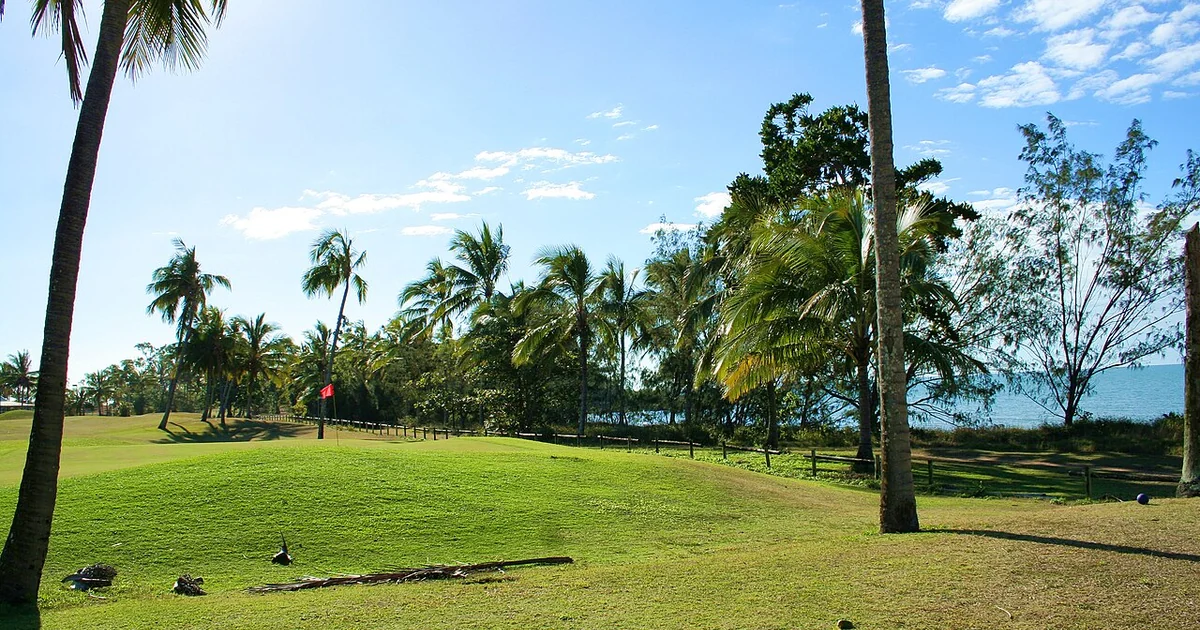
The Greens Project presents itself as a proposed network of golf-first, solar-powered off-grid communities. That is a concept, and concepts are useful to examine closely because the gap between what a plan describes and what a finished place delivers can be wide. This article offers a reader's method for asking better questions before any picture of fairways and solar arrays settles into your mind. It does not assess the project's merits, and it does not suggest that anyone should take a financial, legal, or personal step based on this material.
Start With What the Source Actually Gives You
Begin by sorting the materials in front of you by type. The Greens Project's public site collects names and email addresses from people who choose to receive project updates. Based on the information published there, that is the core of what it offers a visitor. It does not, in the material available, provide confirmed locations, home prices, membership terms, or investment terms. Recognizing that boundary is the first step. Anything you read beyond it is an interpretation, a hope, or a visual idea, and it should be labeled that way in your notes.
A simple habit helps here. When you read an update or a page, write two columns: what the text states as settled, and what it describes as intended, possible, or illustrated. Renderings and aspirational language belong in the second column. Many people discover that their first impression of a community was built almost entirely from the second column.
Questions About Land, Location, and Timing
Concept-stage golf communities often rely on land that has not yet been secured, zoned, or surveyed for the uses described. Ask whether the source identifies a specific parcel, and if it does, whether that parcel is described as owned, optioned, under contract, or merely under consideration. Each of those words carries different weight, and a careful reader keeps them distinct.
Timing questions matter equally. Ask what milestones have been reached, what remains, and whether any dates are stated as commitments rather than estimates. If no dates are given, record that absence plainly. An update that announces progress without naming what has been completed is telling you something about its own evidence.
Questions About Shared Facilities and Who Runs Them
A golf-first community typically promises shared facilities: a course, a clubhouse, pools, trails, or maintenance buildings. For each one a concept mentions, ask four things. Who will own it? Who will pay to build it? Who will operate and maintain it after opening? And what happens if it is delayed or never built? A concept plan that illustrates a clubhouse has not yet answered any of these questions, and the answers are the substance of what you would be relying on.
Also ask whether membership or access terms are described anywhere. If they are not, you cannot compare them with another project, and you should not assume they will resemble a familiar country-club model. The absence of terms is information. Treat it as an open question rather than a quiet reassurance.
Questions About Off-Grid Energy Claims
Solar-powered and off-grid language sounds specific, but it is a design direction until engineering details are published. Useful questions include: What share of the community's energy is described as coming from solar? Is there a stated storage approach, and at what scale? What backup arrangement is described for cloudy periods, peak demand, or equipment failure? Who would be responsible for maintaining the system over time?
Be careful with the inference that an off-grid concept must be resilient. Resilience is a property of specific engineering choices, and a concept page may not describe those choices at all. If the source does not address backup, monitoring, or maintenance for its energy system, note that those features are unverified. Do not fill the gap with the reasonable-sounding assumption that they exist.
A Practical Checklist for Your Next Read
Before forming a view, work through this list in plain notes. First, is the source's content limited to an update signup, illustrations, and general descriptions? Second, for each claim, is it marked as confirmed, planned, or hypothetical? Third, has a specific location been named, and what legal status does the source attach to it? Fourth, are shared facilities described with ownership, funding, and operation? Fifth, are any prices, membership terms, or investment terms stated? If not, record them as unpublished. Sixth, are energy and backup details specific enough to evaluate, or only directional?
Finally, consider what would change your mind. A useful concept source names the documents, milestones, or decisions that would confirm its claims. If a project never describes what evidence would show a step is complete, you have learned how to weigh its updates. Keep your own timeline of what you have actually seen, dated by when you saw it, so that future messages can be compared against an honest record rather than against memory of the most appealing image.