Sorting an Update Email From a Brochure: A Field Method for The Greens Project
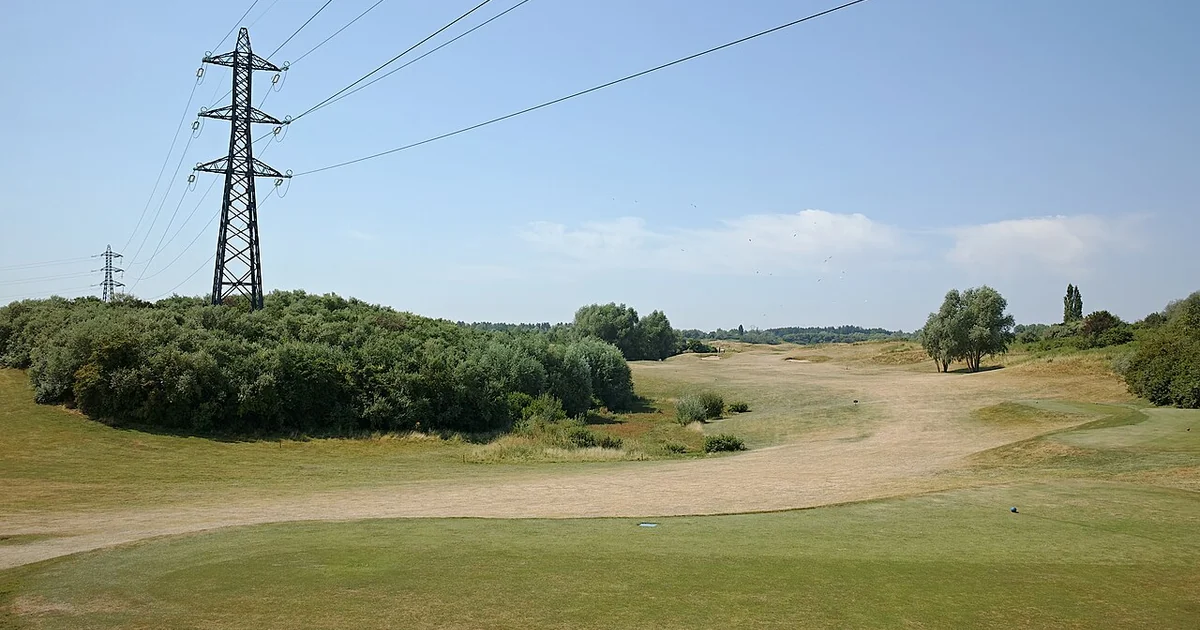
The Greens Project presents itself as a proposed network of golf-first, solar-powered off-grid communities, and its website collects names and email addresses so people can receive project updates. Signing up for updates is a reasonable way to stay informed. But an update email and a finished, verified plan are very different things, and it is easy to blur them. This article offers a method for comparing what a project communicates against what has actually been established, so you can keep your attention on the difference.
Start With What the Project Says It Offers
The first step is to separate the project's stated concept from any assumption you bring to it. Based on the public project website, The Greens Project describes a proposed network of golf-first, solar-powered off-grid communities. That is a concept description. It tells you the direction of the idea, not the details of any place you could live.
Write down, in one short list, the claims the project actually makes. Keep the list literal. If a phrase in an update email suggests something the website does not state, mark it separately rather than adding it to the list. This habit prevents a gradual drift in which vague enthusiasm slowly hardens into assumed facts.
Know What the Sign-Up Does and Does Not Provide
According to the project website, the site collects consented names and email addresses for project updates. That is the function of the sign-up. It is worth stating plainly because a subscription list can feel like a membership, a reservation, or a commitment. It is none of those things unless a separate document says so.
The website does not, as far as the public information shows, offer confirmed locations, home prices, membership terms, or investment terms. Those are the items a careful reader most needs, and their absence is informative. When you read an update, ask whether it supplies any of those missing pieces. If it does not, the update is probably about direction, progress narrative, or general interest, not about terms you could rely on.
A useful habit is to keep your sign-up separate from any decision. Subscribing to news and deciding to act are different steps, and you can take the first without the second.
Read Update Language by Its Verbs
Concept-stage communication often leans on a small set of verbs that carry very different levels of certainty. Sort the verbs you encounter into three rough groups. Confirmed language describes something completed and verifiable, such as a signed agreement or a published permit. Planned language describes an intention with a stated next step. Imagined language describes aspirations, renderings, or hopes that have no documented process behind them.
Apply the sorting to a real email. Highlight each sentence describing the project and tag it with one of the three groups. A message full of planned and imagined language is not necessarily dishonest, but it should not be read as a list of established facts. The exercise makes the proportion visible at a glance.
Pay particular attention to words like will, soon, and envision. They are forward-looking and cannot be checked today.
A Comparison Checklist for Comparing Projects
When you follow more than one early-stage project, a consistent checklist lets you compare them fairly. For each project's recent update, answer these questions in plain terms: Does the update name a specific location that has been confirmed? Does it state any price, membership term, or investment term? Does it describe a completed step, and if so, can you identify how it could be verified? Does it explain what remains undecided? Does it say who is responsible for shared facilities?
Score each question as yes, no, or unclear. Projects that answer yes to the first several questions are supplying more checkable information. Projects that answer no across the board are not necessarily weaker as ideas, but they are offering less to evaluate. Keep the scores in a simple table or note so you can see changes over time. A project whose updates become more specific and verifiable across several months is showing a different pattern from one that repeats the same vision with new imagery.
Questions to Ask Before You Rely on Any Plan
Before you let an update shape any personal decision, put a set of direct questions to the material you have. Who is the organization behind the project, and how can you confirm its identity through means independent of the project's own website? What has been decided, and what remains open? If shared facilities are described, who would fund, operate, and maintain them, and under what written arrangement? What would happen to a person who joined the mailing list if the project changed direction or stopped? Where would the answers to these questions be recorded?
These questions are not a verdict on the project. They are a way to keep your understanding proportionate to the evidence. Concept-stage ideas can be interesting to follow. The discipline is to let the strength of your belief track the strength of what has actually been shown.
Use the update list for what it does well, which is staying informed about a stated direction. Keep your decisions tied to confirmed, written, and checkable information, and treat everything else as a question still open.