Reading Update Emails by Their Verbs: Confirmed, Planned, Imagined
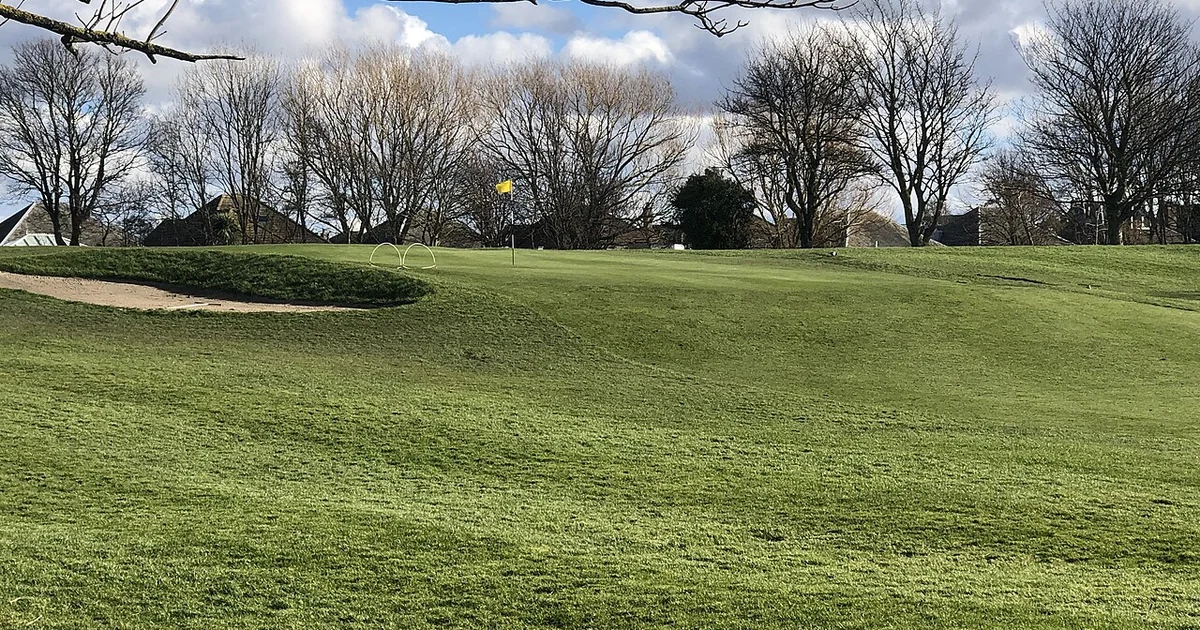
Update emails from early-stage development projects tend to read smoothly. Warm language, pictures of sunsets over fairways, and phrases like 'we are excited to share' can make a concept feel closer to reality than it is. A useful habit is to read each update with a pencil and sort its claims into three bins: what is confirmed, what is planned but not settled, and what is simply imagined. This article offers a method for doing that with the project updates from The Greens Project, a proposed network of golf-first, solar-powered off-grid communities, while applying the same approach to any concept-stage project you encounter. The method does not require any special expertise. It requires only careful reading and a willingness to notice what a message leaves out.
Start With the Verbs
The fastest way to sort an update is to look at its verbs. Confirmed statements tend to use plain, past-tense or present-tense verbs tied to a specific action: a filing was submitted, a survey was completed, a person was hired. Planned statements use future or conditional language: will open, expects to, intends to, is designed to. Imagined statements use aspirational or atmospheric language: envisions, imagines, a lifestyle where, a place that feels like.
Apply this to a single paragraph before moving on. Take a sentence such as 'Residents will enjoy a clubhouse overlooking the course.' The verb 'will' signals a plan, and 'enjoy' signals a vision of the future. Nothing in the sentence tells you the clubhouse has been designed, funded, or approved. Mark it as a plan at most, and ask what would have to be true for the sentence to become a fact.
This habit matters because concept-stage communication often blends the three categories so smoothly that they feel identical. A method that forces you to tag each claim prevents the slow drift from 'we are considering solar' to 'our solar-powered community' in your own mind.
Build a Three-Column Comparison
Once you have tagged the claims, put them into a simple table in a notes document. Use three columns: Confirmed, Planned, and Imagined. Under Confirmed, only list items the update states as completed and that you could independently verify if you wanted to. Under Planned, list items with a stated intention but no completion. Under Imagined, list the evocative material: scenery, lifestyle descriptions, and general aspirations.
Here is how a reader might fill this out after one update. Confirmed: the project has a website and accepts email sign-ups for updates. Planned: a future community concept with a golf course and solar energy is under development. Imagined: a particular way of life for households, described in warm terms. The discipline of the exercise is that the Confirmed column often ends up shorter than readers expect. That short list is useful information in itself.
Keep the same three columns across multiple updates from the same project, and date each entry. Over several months you can see whether items migrate from Planned to Confirmed, whether earlier plans quietly disappear, or whether the vision keeps expanding while the confirmed list stays flat. Each of those patterns tells you something different about how a project is progressing.
Check What a Subscription Actually Gives You
Many update emails come from opt-in lists, and it is worth being precise about what that list is. A list of consented names and email addresses for project updates is a communication channel. It is not evidence of a location, a price, a membership structure, or a financial arrangement. Subscribing tells the project you want news; it does not confirm that any news will be favorable or complete.
When you read an update, ask whether the message is trying to inform you of a decision or simply keep you engaged. An update that reports a decided matter will usually name the decision, its date, and the body or process that made it. An update that reports momentum will often describe enthusiasm without naming a decision at all. Neither is inherently dishonest, but only the first gives you something to rely on.
A reasonable reader treats an opt-in update list as a place to learn what a project is working on, and keeps a separate record of what has been verified. Do not let the convenience of a monthly email substitute for the verification you would do before any significant personal decision.
Notice What Is Missing
Gaps are often more informative than statements. A thorough comparison asks which categories of information never appear across several updates. Common absences in concept-stage communication include a named site or confirmed location, a stated budget, a description of who owns and governs the shared facilities, a timeline with milestones that have dates, and an explanation of what happens if the project does not proceed.
Make a checklist of these categories and mark each one as addressed, partly addressed, or absent after reviewing the full set of updates. A project that addresses many of these areas with specifics is giving you more to evaluate than one that addresses them only in general terms. A project that addresses none of them is asking you to evaluate a picture rather than a plan.
The absence of information is not proof of wrongdoing. Early projects frequently lack details because the details have not yet been decided. But that is precisely the point: a missing detail should be read as an open question, and open questions belong in the Planned or Imagined column until they are closed.
A Short Checklist to Use Each Time
Before forming any opinion from a project update, work through these questions in order. First, tag each substantive claim as Confirmed, Planned, or Imagined using its verbs. Second, check whether the Confirmed column names a specific, checkable action with a date or responsible party. Third, identify which standard categories of information the update covers and which it omits. Fourth, compare this update against the previous one to see what moved between columns. Fifth, write down the single question you most need answered before you could weigh the project seriously.
Used consistently, this method turns a stream of appealing emails into a structured record. It will not tell you whether a concept-stage community will ever be built, and it is not a substitute for independent research into any land, financial, or legal questions that matter to your situation. What it does is keep the difference between what has been decided and what has only been described clearly in front of you, which is the difference most worth protecting when a project is still on paper.