Pinning Down Shared Golf Amenities: Who Funds, Runs, and Answers for Them
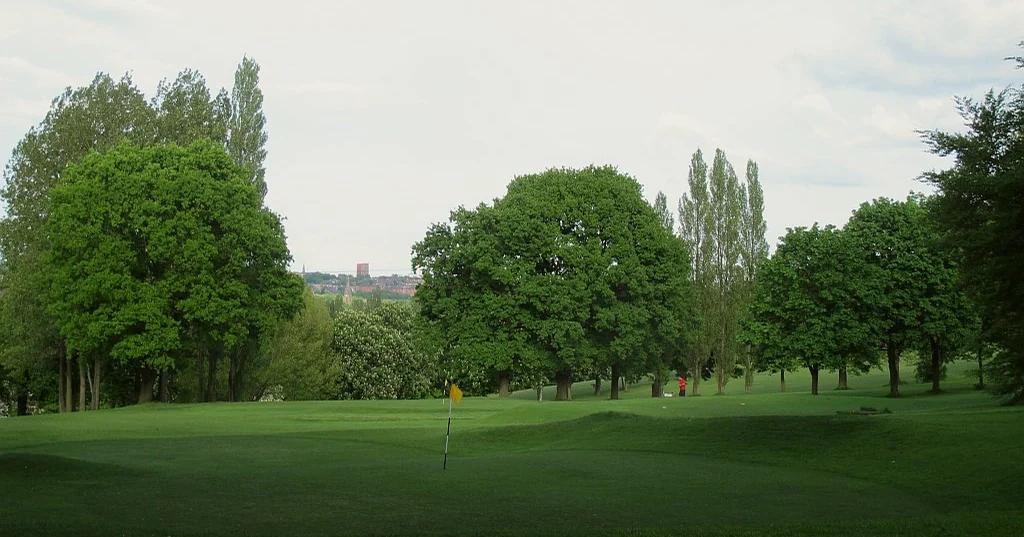
Shared golf facilities sound simple in a concept rendering: a clubhouse, a practice green, a course that winds past the homes. Behind the image sits a set of operational decisions that determine whether those facilities ever exist, how they are paid for, and who is responsible when they wear out. This article offers a reader's method for examining the amenity plans of any golf-centered concept community, whether you encounter it through a website, an update email, or a sales conversation. The goal is not to reach a verdict about a particular project but to learn which questions separate a well-documented plan from an aspiration.
Start With the Difference Between a Feature and a Commitment
A feature is something a plan describes. A commitment is something a party has agreed to deliver, under stated terms, with a stated source of money and a stated owner. Many early-stage materials blur the two. A line that says a community will include a championship-style course is a description of intent. It tells you nothing about acreage, design standards, construction sequence, or whether the course will be open to residents at all.
When you read an amenity description, sort each item into one of three bins: stated as a concept, stated with specifics, or stated with binding terms. Specifics would include approximate acreage, a named design approach, or a phasing schedule. Binding terms would include a recorded document, an agreed budget, or a contractual obligation. Most concept-stage projects will sit almost entirely in the first bin, and that is not automatically disqualifying, but it means you should not treat the rendering as a contract.
Ask Who Pays for Construction, Operation, and Replacement
Three separate costs follow every shared amenity: construction, ongoing operation, and eventual replacement or major repair. Golf facilities are expensive to maintain. Turf, irrigation, cart paths, water features, and clubhouse systems all require continuous work. A plan that describes the amenity without describing how the work is funded has left the hardest part unanswered.
Look for a stated funding model. Common structures include a developer funding construction and transferring the facility to an owners' association, a membership fee attached to the amenity, or a blend of dues and reserves. Each model shifts risk differently. If a document does not explain the model, write that down as an open question rather than filling the gap with optimism. Also ask whether any cost estimates are published, what they are based on, and who prepared them.
Trace Governance and Decision Rights
Who decides the rules for using a shared golf facility? Who sets fees, approves capital projects, and hires managers? These questions are governance questions, and they often receive less attention than the amenity itself. A community where the developer controls the amenity indefinitely is structurally different from one where residents hold a defined vote on major decisions after a transition period.
Read for transition language. Does the plan explain when control shifts, under what conditions, and what happens if a transition never occurs? Does it name the body that will govern? If the answers are missing, the amenity plan is only as reliable as the goodwill of whoever holds control at the time.
Build a Simple Verification Checklist
Before forming any view about a shared golf amenity, work through a short checklist. First, identify the exact amenity and its stated size or scope. Second, note whether a construction budget, funding source, or phasing schedule has been published. Third, record who would own, operate, and repair the facility, and whether that is written in a binding document. Fourth, check whether access for residents is defined, including whether membership is required and how it is priced. Fifth, look for the date of the information and whether it has been updated since.
Finally, consider what you would need to see to change your assessment. A useful habit is to write two sentences: one stating what the material confirms, and one stating what it leaves open. If the second sentence is longer than the first, you are looking at an early concept rather than a settled plan, and your decisions should reflect that. Keep any update emails or screenshots with their dates so you can compare how the story changes over time.
Separate Interest From Evidence
Subscribing to project updates is a reasonable way to stay informed, but a subscriber list measures interest, not progress. Confirmation that you will receive news tells you about the mailing system, not the status of land, financing, or approvals. Treat each update as a claim to be checked against the questions above rather than as a milestone.
The most useful outcome of this method is not a yes or no. It is a clearer map of what is known, what is promised, and what remains undetermined. Shared golf amenities are an appealing part of many community concepts, and the readers best served by them are those who ask, early and in writing, who will pay for them, who will run them, and who will answer when something goes wrong.