Before You Picture the Fairways: Due Diligence for Golf-Centered Concept Communities
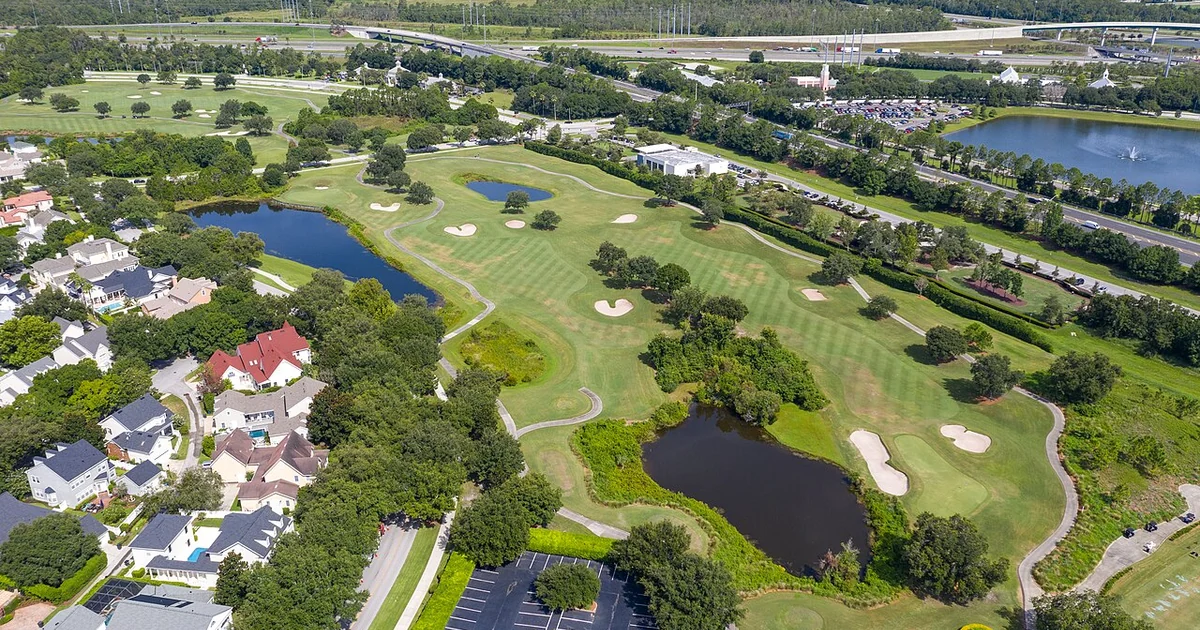
A proposed community built around a golf course, shared amenities, and renewable power can be easy to imagine. Renderings, lifestyle language, and talk of self-sufficiency create a picture that feels complete long before the underlying facts are. The Greens Project presents itself as a proposed network of golf-first, solar-powered off-grid communities. Its public website collects consented names and email addresses for project updates, and it is explicit about what it does not yet offer: confirmed locations, home prices, membership terms, or investment terms. That distinction is the starting point for any careful reader. This article offers a way to examine a concept-stage project on its own terms, separating what has been stated from what has been established and from what remains open. It is general guidance for evaluating any early-stage community concept, not a recommendation to buy, join, or invest in anything.
Start by Sorting Statements Into Three Groups
The most useful habit when reading about an early project is to sort every claim into one of three bins: stated, confirmed, and unknown. A stated claim is something the project says about itself, such as a planned golf course or a plan for solar power. A confirmed claim is something independently verifiable with a clear source, such as a recorded land transaction, a permit, or a signed agreement. An unknown claim is anything the project has not yet pinned down.
Concept-stage projects often blend these bins together. A rendering of a clubhouse may appear next to language about lifestyle, and both can feel equally solid. Writing them into three columns on paper, or in a simple spreadsheet, makes the gaps visible. In the case of The Greens Project, the public site is clear that locations, home prices, membership terms, and investment terms are not yet available. Treat those absences as meaningful information rather than as details that will surely be filled in later.
Ask What Would Have to Be True for the Plan to Work
Every off-grid, golf-centered community depends on a chain of conditions. Land must be available and suitable. Water, drainage, and access must be workable. Solar generation and storage must be sized to real demand. A golf course requires turf management, irrigation, and maintenance funding. Shared amenities require a governance structure that will be used for decades. Working backward from the outcome can reveal which links in the chain have not been addressed.
A practical exercise is to list the three or four conditions that, if they failed, would make the whole concept unworkable. Then ask whether the project has said anything concrete about each one. If the answer is silence, that silence should lower your confidence, not be filled in by optimism. The aim is not to predict failure but to understand which assumptions carry the most weight.
Questions Worth Putting to Any Concept-Stage Project
A short list of questions can turn a vague impression into a structured review. Consider asking the following of any early-stage community project, and note whether the answers are documented or merely described:
First, where exactly would the community be built, and what is the status of the land? Second, who would own the golf course and common areas, and how would they be maintained over time? Third, how would shared costs be set, collected, and adjusted? Fourth, what are the terms of membership or occupancy, and are they written down? Fifth, what happens to the project if it does not reach its goals? Sixth, what independent reviews, permits, or agreements currently exist?
If a project cannot yet answer these questions, that is not automatically disqualifying, since concept-stage work is by definition unfinished. It does mean the reader should treat the project as an idea under development rather than as an offering with settled terms.
Read Update Emails and Site Content Critically
Projects that collect names and email addresses for updates often send messages that mix progress reports with aspirational language. A useful practice is to note, for each update, what new fact was actually established. If an email describes enthusiasm, a vision, or a future intention without a new confirmed detail, record it as an intention. Over several updates, a pattern tends to emerge: either verifiable milestones accumulate, or the messages remain mostly atmosphere.
The Greens Project's site states that it collects consented contact information for project updates and does not offer confirmed locations or terms. That disclosure is a helpful baseline. Compare future messages against it. Has a location been named with supporting documentation? Have membership or pricing details appeared in writing? Changes in these areas are the signals that matter most.
A Brief Checklist for Your Own Review
Before forming a view on any golf-centered or off-grid concept community, work through a simple sequence. Confirm what the project has explicitly stated about itself and what it has explicitly left unsettled. Identify the three to four conditions the plan depends on most. Look for documentation, not just description, for each one. Note whether terms of any kind are written and available to read. Keep a dated record of updates so you can see whether facts are accumulating over time. Finally, consult independent sources and, where a decision carries financial or personal consequence, seek advice from qualified professionals in the relevant field.
Careful reading does not require cynicism. It requires patience and the discipline to let verifiable facts, rather than imagery, set the level of confidence. A concept can be interesting and still be unproven. Holding both of those thoughts at once is the most accurate way to evaluate a project like this one.