Reading a Concept-Stage Community Plan Before You Trust It
Many residential developments reach the public as renderings, vision statements, and promises of a lifestyle before any land is secured, approvals are granted, or construction has begun. A concept-stage community plan can be an honest early step in a long process, or it can be a marketing exercise that gathers interest while leaving the hard questions unanswered. Telling the difference is a skill that anyone can practice. It does not require expertise in real estate or energy engineering, only a habit of separating what a plan describes from what a plan has actually committed to. This article walks through that habit, using the general features that many early-stage projects share, so you can read any concept-stage proposal with clearer eyes.
Separate the vision from the verifiable
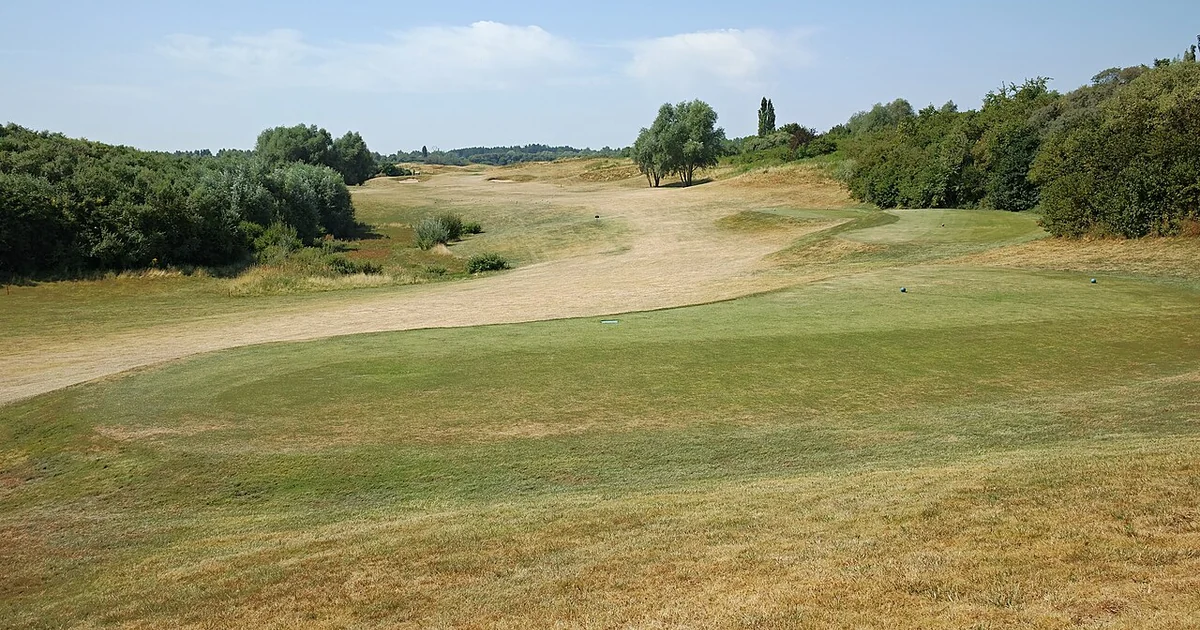
Concept-stage materials often lead with an appealing picture: a golf course woven through homes, streets lined with solar installations, a community built around outdoor recreation and a shared sense of purpose. These images communicate intent, and intent has value, but it is not the same as a commitment. A useful first exercise is to read any project page and sort its statements into two columns. In the first column, place statements about aspirations, design philosophy, and general themes. In the second, place statements that are specific, dated, and checkable, such as a named parcel, a filed application, a confirmed price, or a defined membership structure.
When the second column is short or empty, the project is still early. That alone is not a reason to walk away, since many legitimate developments begin as ideas. It does mean that you should hold your expectations loosely and avoid treating renderings as a description of a finished place. A plan that openly labels itself as conceptual, and that says what it has not yet decided, is usually easier to trust than one that speaks with certainty about details that have not been settled.
Identify what the site is actually collecting from you
Many project websites invite visitors to register for updates. This is a common and reasonable practice, but it helps to be clear about what you are agreeing to. A sign-up form typically collects a name and email address for the purpose of sending news about the project. It does not, by itself, create a reservation, a purchase, a membership, or an investment. Before entering your details, read the wording near the form. Look for a statement of how the information will be used, whether it will be shared with third parties, and how you can unsubscribe or ask for your data to be removed.
Be cautious when a sign-up process begins to resemble a financial step. Requests for deposits, pre-payments, or commitments presented as early access deserve careful scrutiny. Ask what the payment buys, what happens if the project does not proceed, and whether the refund terms are written down. If those answers are missing or vague, treat the request as a separate decision that requires its own due diligence, rather than a natural next step after subscribing to updates.
Ask the questions a concept stage should answer
Early-stage plans can be evaluated against a set of questions that most credible projects will eventually need to address. Asking them now sets a baseline and reveals which gaps remain. You do not need the answers to be complete today, but you can note whether the project has addressed them, has acknowledged them as open, or has ignored them entirely.
A practical checklist includes the following. Where is the land, and does the project have legal control of it, or only an interest in pursuing it? What approvals are required from local authorities, and has any application been submitted? Who is responsible for building, operating, and maintaining shared infrastructure, and how would that be funded over decades? What are the terms of ownership, occupancy, or membership, and how are they documented? How will the project handle water, power, waste, and emergency access, and what evidence supports the proposed approach? What happens to residents or participants if timelines slip or the project is abandoned? Each question points toward a document or a process you can request and review, which is a stronger position than relying on general reassurance.
Weigh the claims that depend on engineering and environment
Projects that emphasize renewable energy or off-grid living make claims that depend on technical feasibility, local climate, and ongoing maintenance. The concept of a solar-powered community is easy to state and harder to deliver reliably. Performance depends on site-specific factors such as sun exposure, seasonal variation, storage capacity, and the demand profile of the homes and amenities served. A thoughtful reader asks how the energy system was sized, what assumptions underlie it, and who will manage and replace components over their lifespan.
The same logic applies to water and waste systems, which become especially important when a development is not connected to conventional utilities. Ask whether the project has described its approach in enough detail to be assessed, and whether independent review is planned. Keep in mind that a general statement about sustainability is not evidence of a specific system working as intended. Where a project has not yet published such detail, that absence is worth noting as part of the overall picture.
Build a habit of periodic re-checking
A concept-stage project will change over time. Its vision may be refined, its location may shift, and its timeline may stretch or contract. Rather than evaluating a project once, make a habit of revisiting it on a regular schedule and comparing what it says now with what it said before. Keep a simple record of key statements, including dates, so you can notice when language becomes more specific or when earlier claims quietly disappear.
The goal of this process is not to reach a verdict on whether a project will succeed. It is to keep your understanding proportionate to the evidence available. A concept can be interesting and worth following while remaining unproven. By sorting vision from verifiable detail, being deliberate about what information you share, asking structured questions, scrutinizing technical claims, and re-checking over time, you can engage with early-stage plans thoughtfully. You will be better prepared whichever way the project develops, and you will be less likely to mistake an attractive picture for a finished commitment.